BEYOND STRATEGIES: ENABLING LOCAL MANUFACTURING THROUGH POLICY AND ACTION
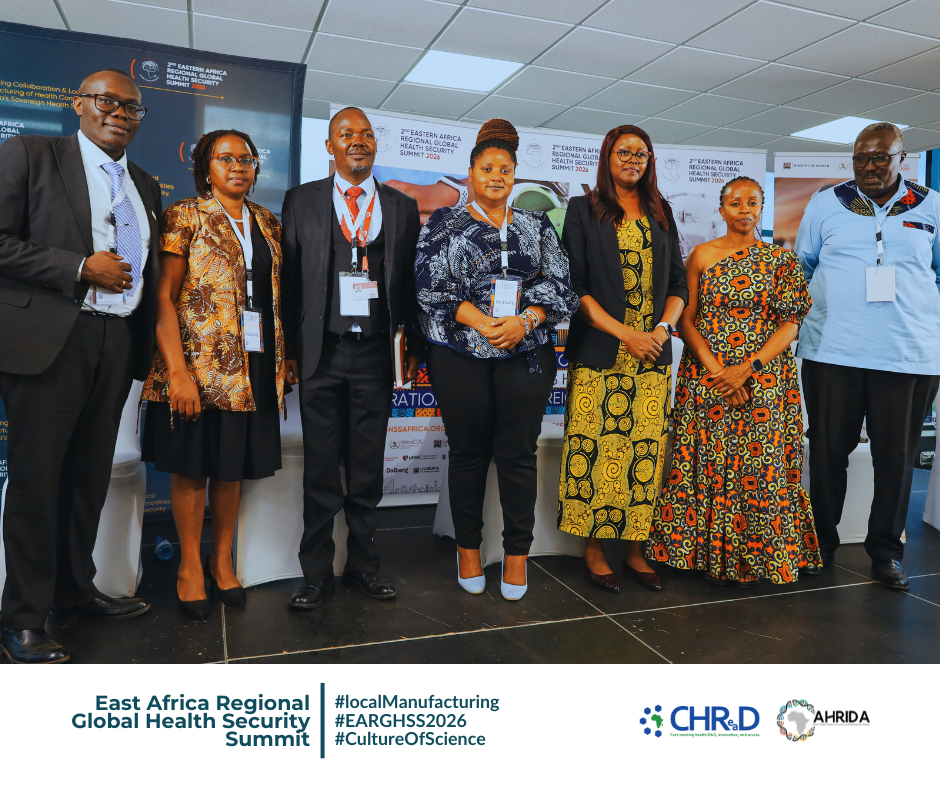
At the Eastern Africa Regional Global Health Security Summit (EARGHSS 2026), the session “Beyond Strategies: Enabling Local Manufacturing Through Policy and Action” confronted a familiar paradox in Africa’s pharmaceutical and vaccine ambitions: no shortage of strategies, yet persistent failure to deliver at scale.
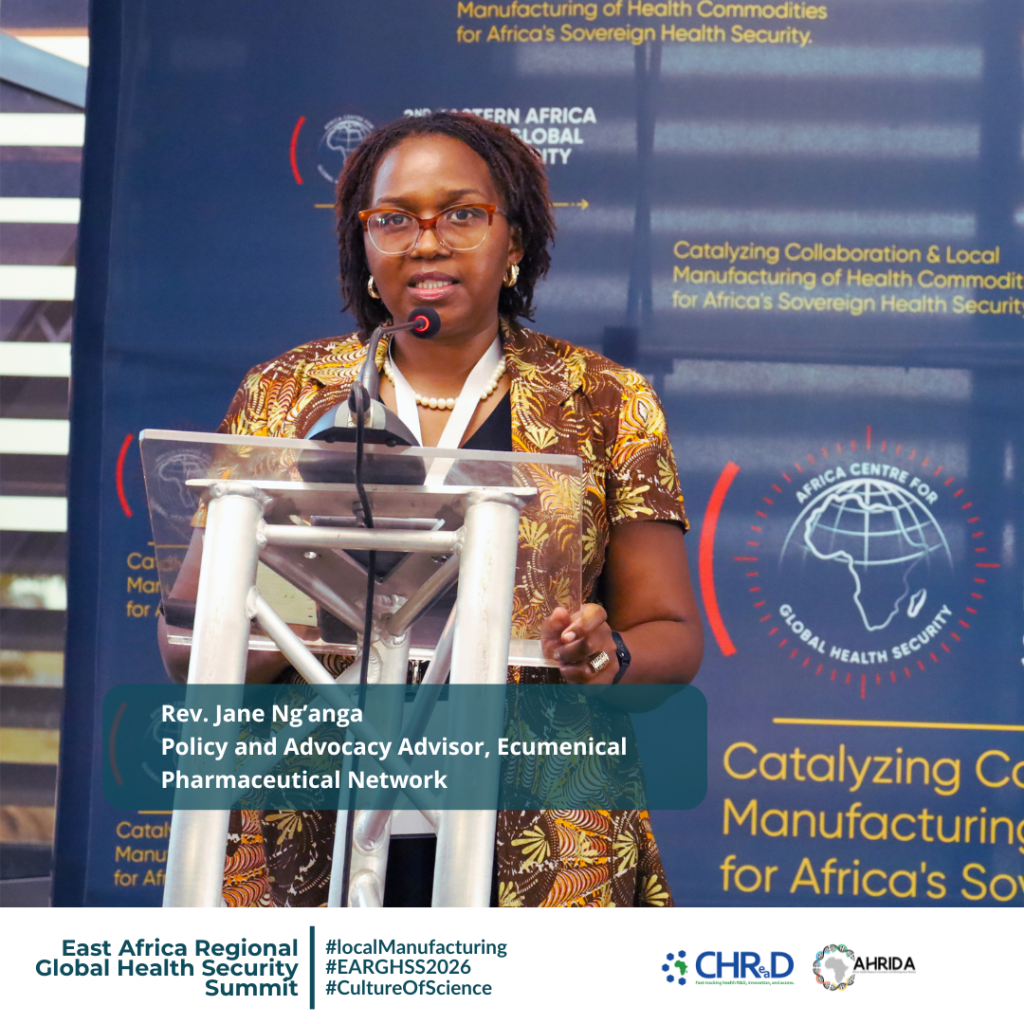
Opening the discussion, Rev. Jane Ng’anga of Ecumanical Pharmaceutical Network set the tone with a blunt diagnosis. Africa, she argued, does not lack policy frameworks, expertise, or political declarations. What continues to fall short is execution that survives pilot phases, election cycles, and donor funding windows. The session was deliberately framed not as a platform for new commitments, but as a space to interrogate what actually enables manufacturing ecosystems to endure.
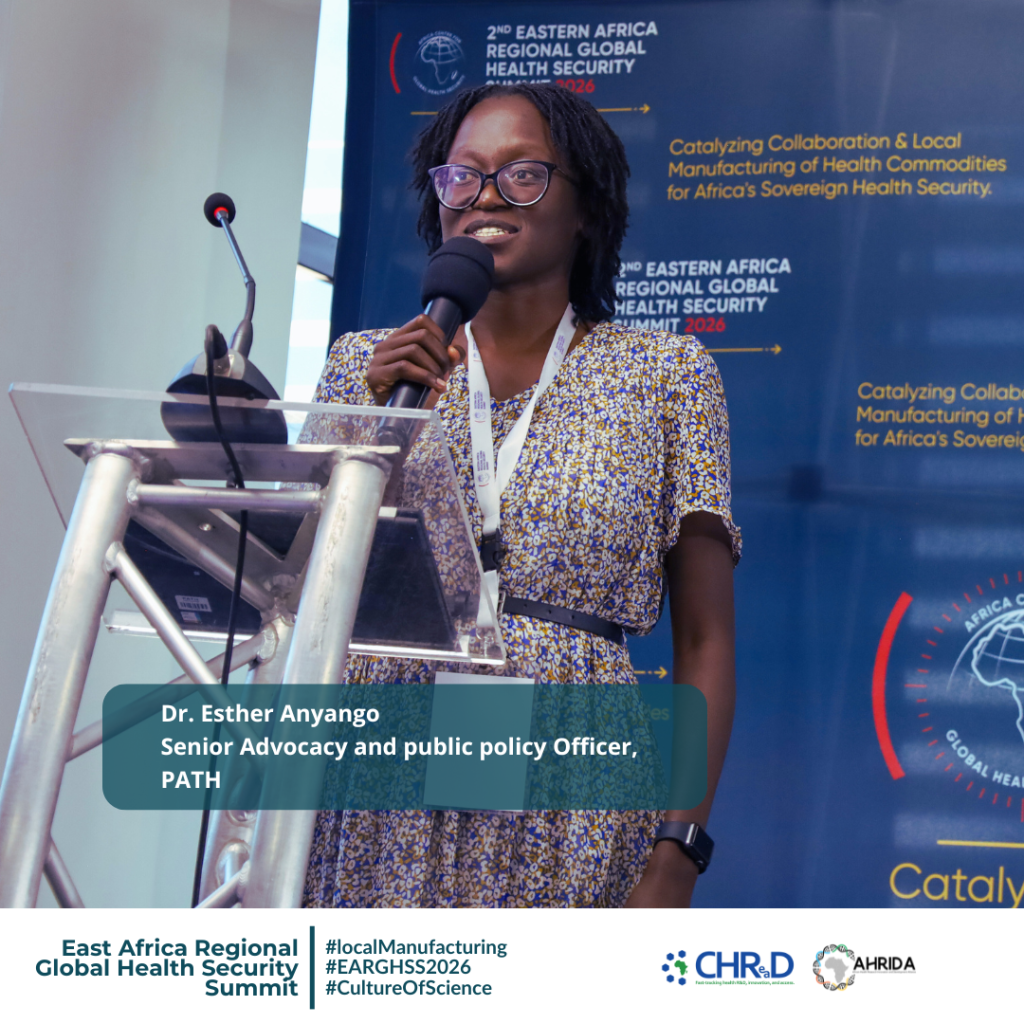
A central reframing emerged early. Dr. Esther Anyang’o of PATH emphasized that local manufacturing should be treated as a core health security strategy. The COVID-19 pandemic exposed the risks of import dependence, yet many health systems continue to operate as if global supply chains are guaranteed. Without predictable demand signals, she warned, manufacturers cannot invest with confidence and financiers will remain cautious. Locking in demand through multi-year procurement commitments and improved payment discipline was repeatedly cited as foundational.
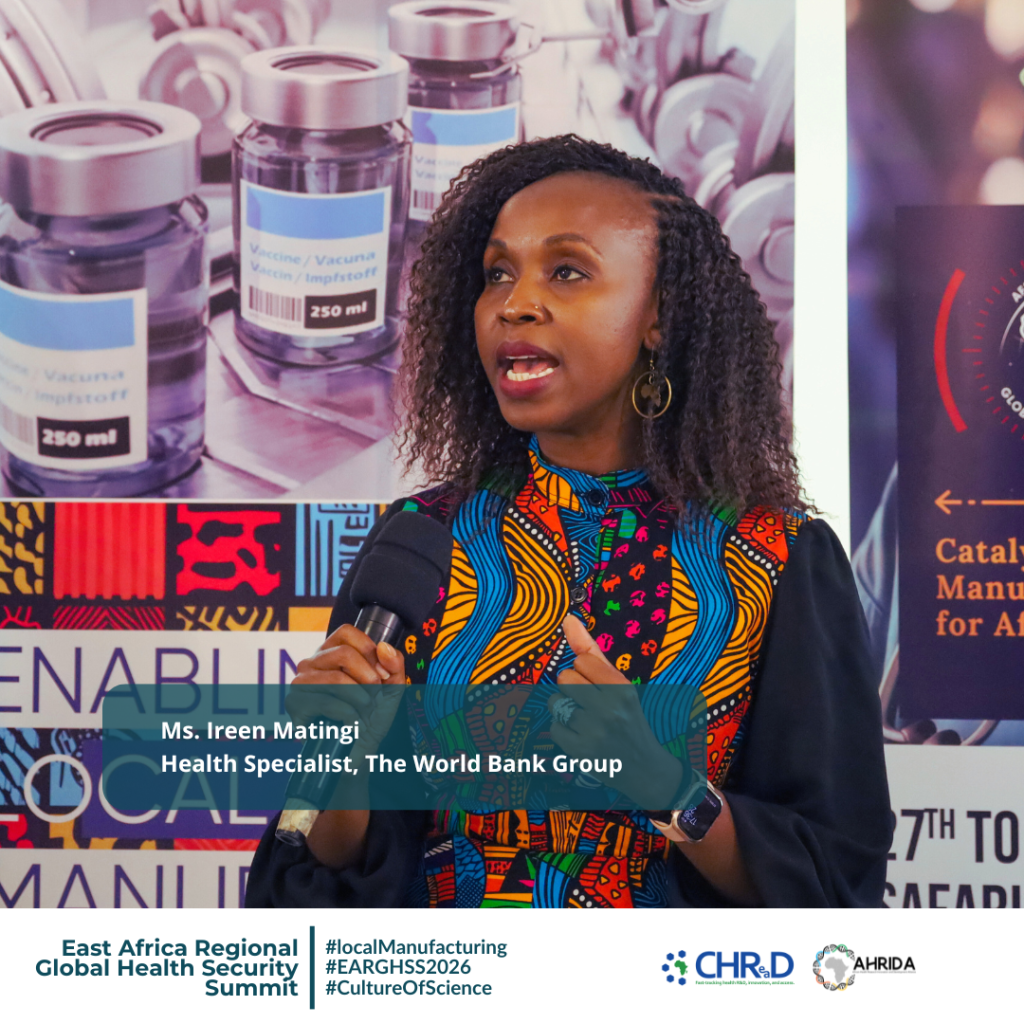
The discussion moved from strategy to system constraints. Ms. Ireen Matingi of the World Bank highlighted Kenya’s position as a regional test case, noting that this is the first vaccine manufacturing initiative the Bank has supported on the continent. World Bank investments are focused on regulatory strengthening toward WHO Maturity Level 3, upgrading national control laboratories, developing GMP roadmaps, and expanding bioequivalence capacity. These interventions, she stressed, are essential to translating ambition into bankable, regulated production.
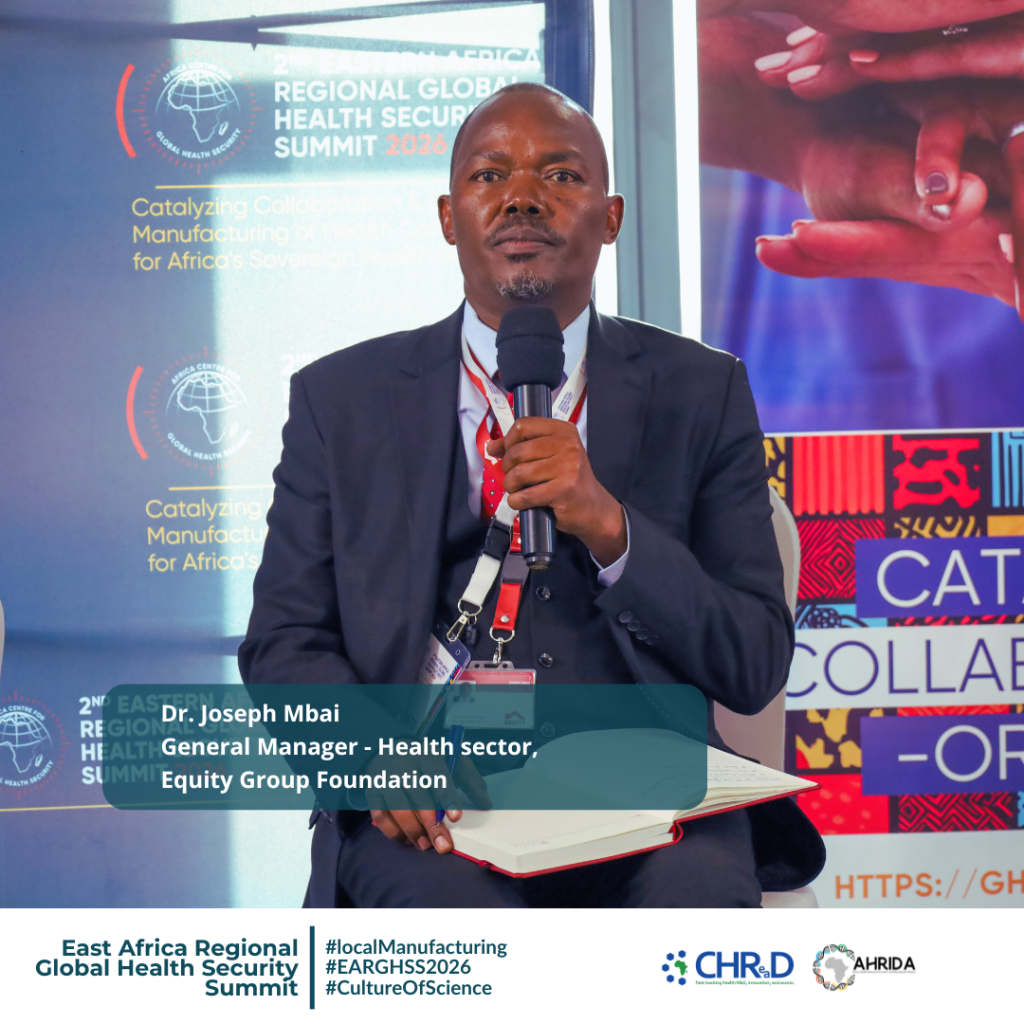
Finance emerged as one of the most contested themes. Dr. Joseph Mbai of Equity Group Foundation challenged the assumption that capital scarcity is the primary bottleneck. Drawing on Equity’s ecosystem banking model, he argued that financing solutions already exist that are designed to absorb risk and accommodate the long timelines inherent to manufacturing. In his assessment, financiers are structurally positioned to wait longer to recoup investments; the more pressing issue is that manufacturers are often reluctant to take up available facilities. This reluctance, he suggested, reflects gaps in confidence, business readiness, and alignment between manufacturers and financiers rather than an absence of capital itself.
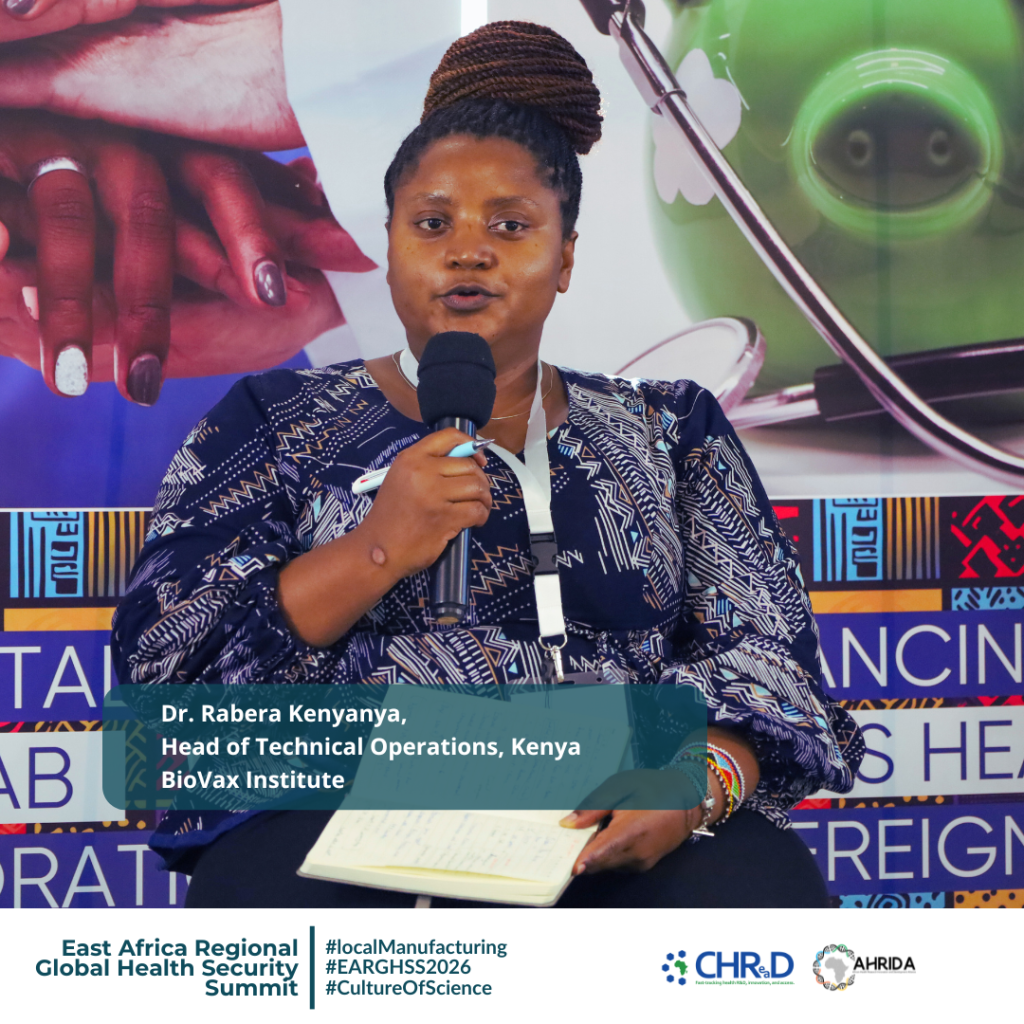
From the manufacturing side, Dr. Rabera Kenyanya of Biovax reinforced the centrality of demand. Supply-side fixes, he cautioned, are futile if markets remain uncertain. She also pointed to deeper cultural challenges, describing Africa as an import-heavy and import-believing ecosystem that systematically undervalues locally produced health technologies.
Attention then turned to systems that support sustainability beyond factories. Prof. Rotich of Amref International University emphasized the role of universities in workforce development, arguing for industry-driven curricula, micro-credentials, and experiential training aligned with real manufacturing needs. The human resource base exists, she noted; what is missing is tighter integration between academia, industry, and government .
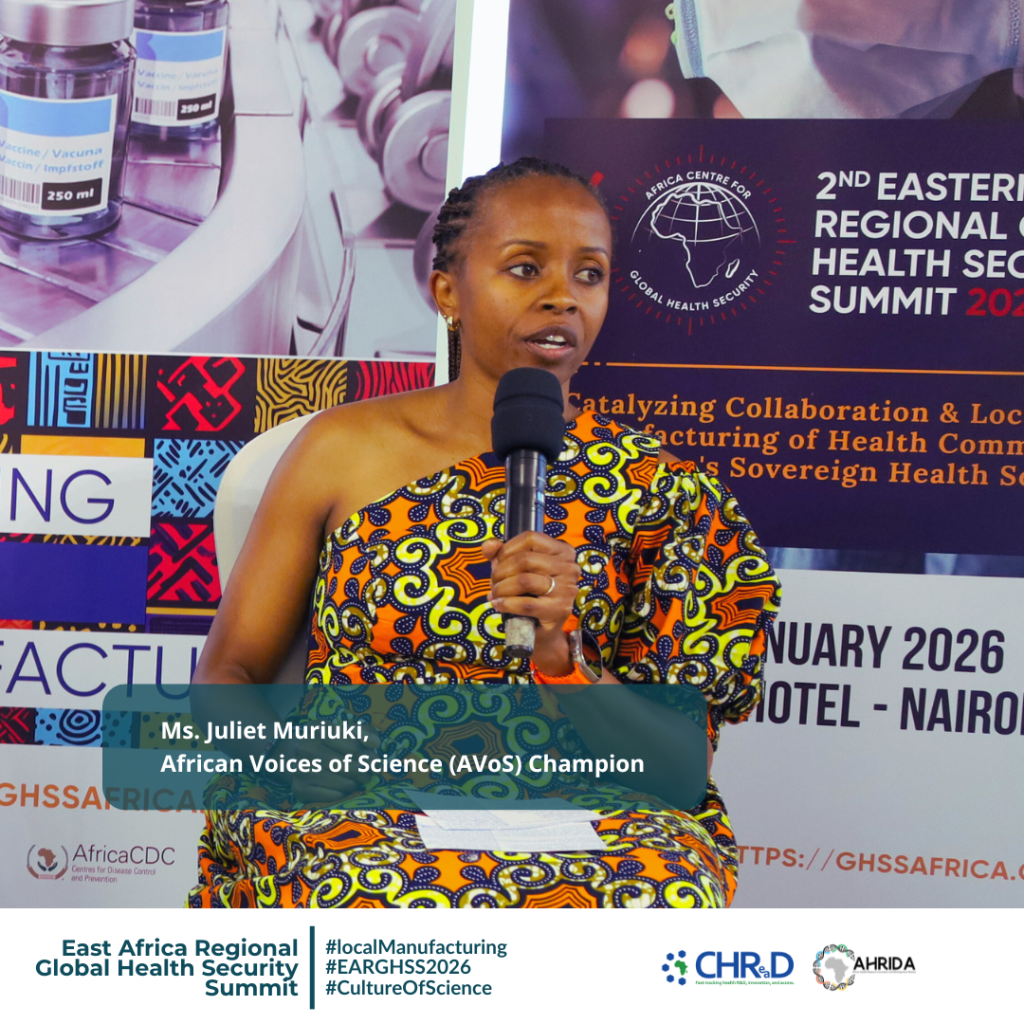
Equity and inclusion cut across the discussion. Ms. Julie Muriuki of Africa Voices of Science challenged the tendency to rhetorically include women and youth without structurally empowering them. Despite women comprising the majority of the global health workforce, only a fraction of health R&D funding reaches women-led initiatives. Inclusion, she argued, must move from tokenism to co-design, particularly in financing and innovation systems.
By the close of the session, there was broad agreement on the need to sustain momentum through continued national conversations on local manufacturing, hosted by CHReaD, alongside strengthened regional coordination facilitated by AHRIDA. These processes will focus on aligning policy, financing, regulation, and workforce systems, supporting learning across countries, and creating practical pathways to advance local manufacturing beyond strategy into implementation.
Africa’s challenge is no longer vision. It is alignment between policy and procurement, finance and risk, regulation and innovation, and ambition and execution. Local manufacturing will advance not through new strategies, but through disciplined action across the systems that make scale possible.
The session was hosted by the Coalition for Health Research and Development (CHReaD) and the Africa Health Research Innovation and Development Alliance (AHRIDA)